
Northern Lights Archive

Wide historic-style view of a northern coastal lighthouse on a rocky headland during rough weather, with warm film grain and muted sea tones

Northern Coast Lighthouse Archive

Where the Northern Coast Kept Watch,

Explore dated records, keeper accounts, and weatherworn towers that guided northern waters across generations.

Explore the Archive
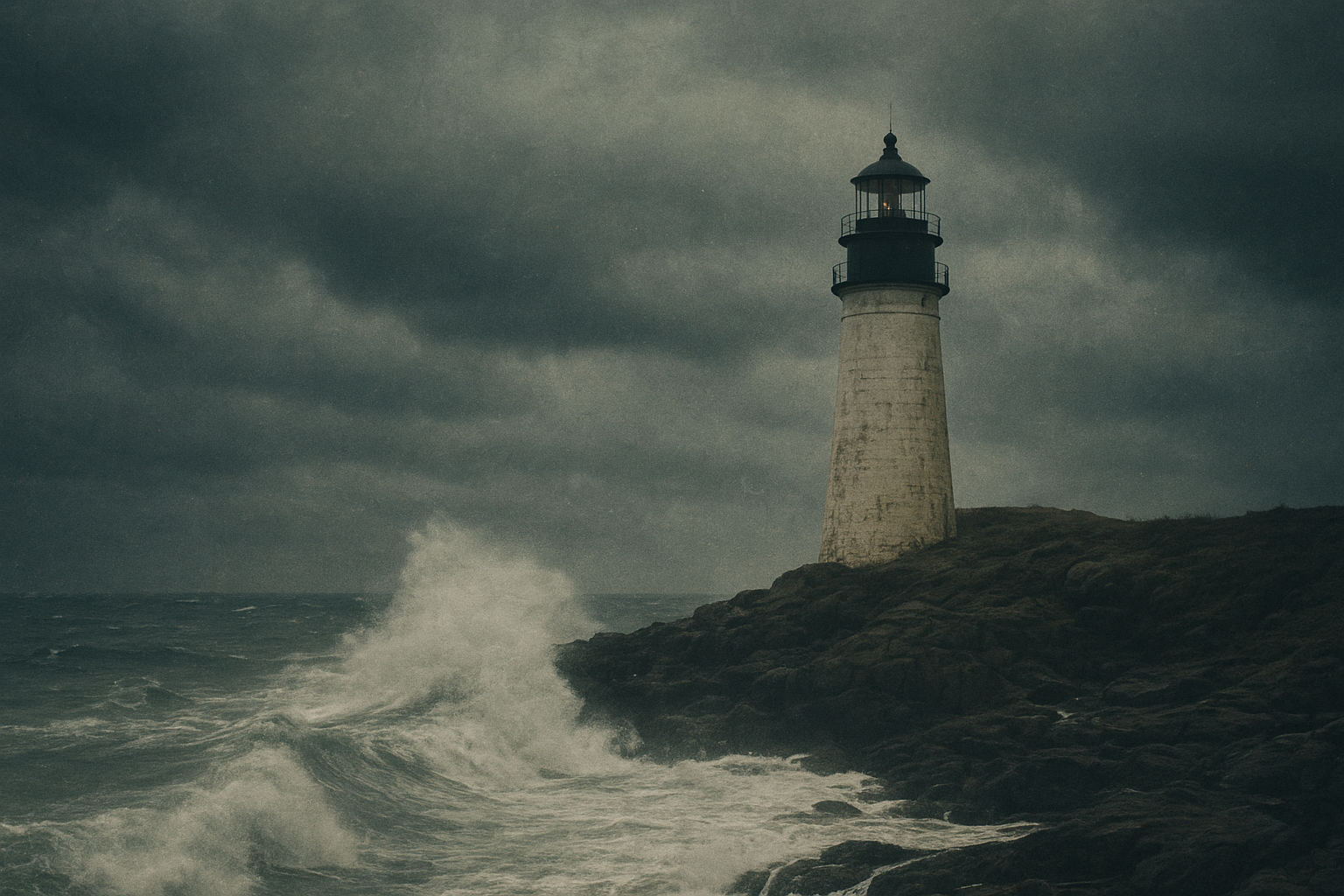
Archival reference caption: northern headland light beneath an incoming storm front.

Era label: c. early 20th century

History Timeline

A Coastline Measured in Light

Five brief milestones trace how northern lights, towers, and keepers shaped navigation along the coast.

  • Before 1700

    Signal Fires on the Headlands

    Coastal communities raised open flames on high ground to warn of reefs and mark a safe return through fog.

  • 18th Century

    Stone Towers Take Shape

    Permanent masonry towers replaced temporary beacons, giving navigators fixed points along the northern approaches.

  • Mid-1800s

    The Fresnel Lens Arrives

    Precision lenses carried brighter, more distinctive flashes farther to sea while using less fuel.

  • 20th Century

    From Clockwork to Automation

    Electric lamps and automated controls gradually changed the keeper’s nightly routines and reduced staffed stations.

  • Today

    Preserved for the Next Watch

    Local groups and heritage stewards maintain surviving towers as records of coastal labor, engineering, and rescue.
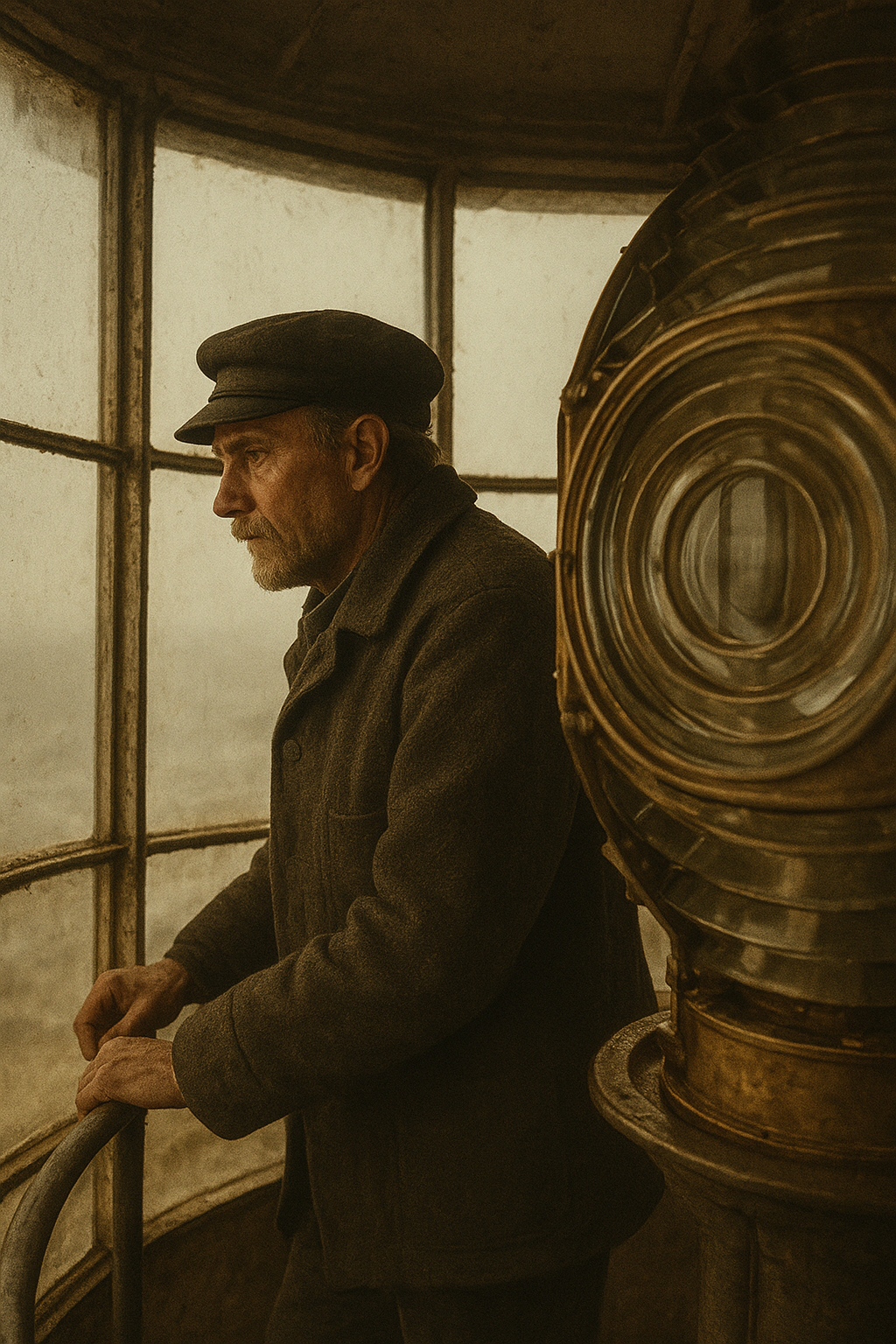
Warm film-style historical keeper scene in a lantern room, with weathered work clothing, brass lens details, and visible grain

Era: Late 19th to early 20th century

Keeper tending the lantern assembly before evening watch, with salt-worn layers and polished brass lens surfaces.

Lives Behind the Light

The Watch Was Never Only at Night

Beyond storms and signals, keeper life followed a disciplined rhythm of fuel checks, log entries, lens care, weather notes, and constant readiness for changing seas.

Reconstructed from common keeper routines

At first light the tower was inspected from rail to lamp room, glass wiped clear of salt, mechanisms tested, stores counted, and the day recorded so night watch began without uncertainty.

  • Night duty

    Storm Watch

    A keeper checks the lantern, windings, and shutters while spray crosses the gallery and visibility collapses.

  • Maintenance

    The Daily Trim

    Wicks, lenses, brass, and glass demand patient cleaning so the evening signal can burn cleanly.

  • Family life

    Life Beyond the Lantern

    Gardens, lessons, repairs, and supply days shape the quieter hours around every nightly watch.

Find Their Towers on the Map

Preserved Tower Reference

The Towers That Still Hold the Horizon,

This map is an illustrative reference for relative coastal placement, not navigational guidance or live routing.

Illustrative northern coast lighthouse preservation map with markers A through E An abstract shoreline with chart contours, a route line, compass rose, and five lettered points corresponding to the location key. N A B C D E
Accessible text equivalent: markers A–E correspond to the location key with tower name, historical era, and preservation note listed alongside.

Archive photographs

Fragments from the Long Watch,

Six preserved glimpses of towers, machinery, weather, and watchkeeping along the northern coast.
Back to Top
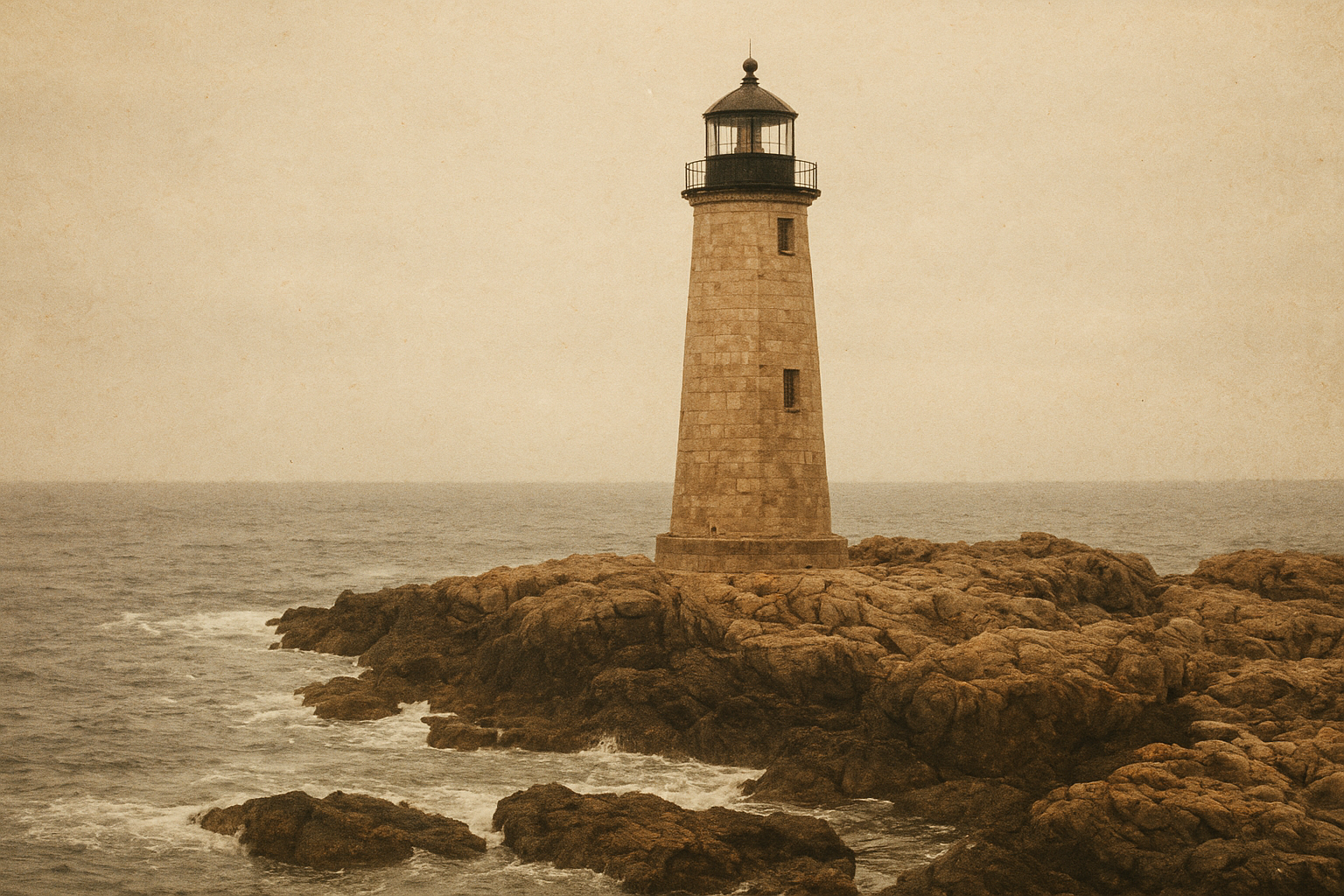
  • Tower Above the Shoals — Early 20th century, Outer northern coast. A masonry light stands above reef water and winter spray.

    Tower Above the Shoals

    Early 20th century

    Outer northern coast

    A masonry light stands above reef water and winter spray.
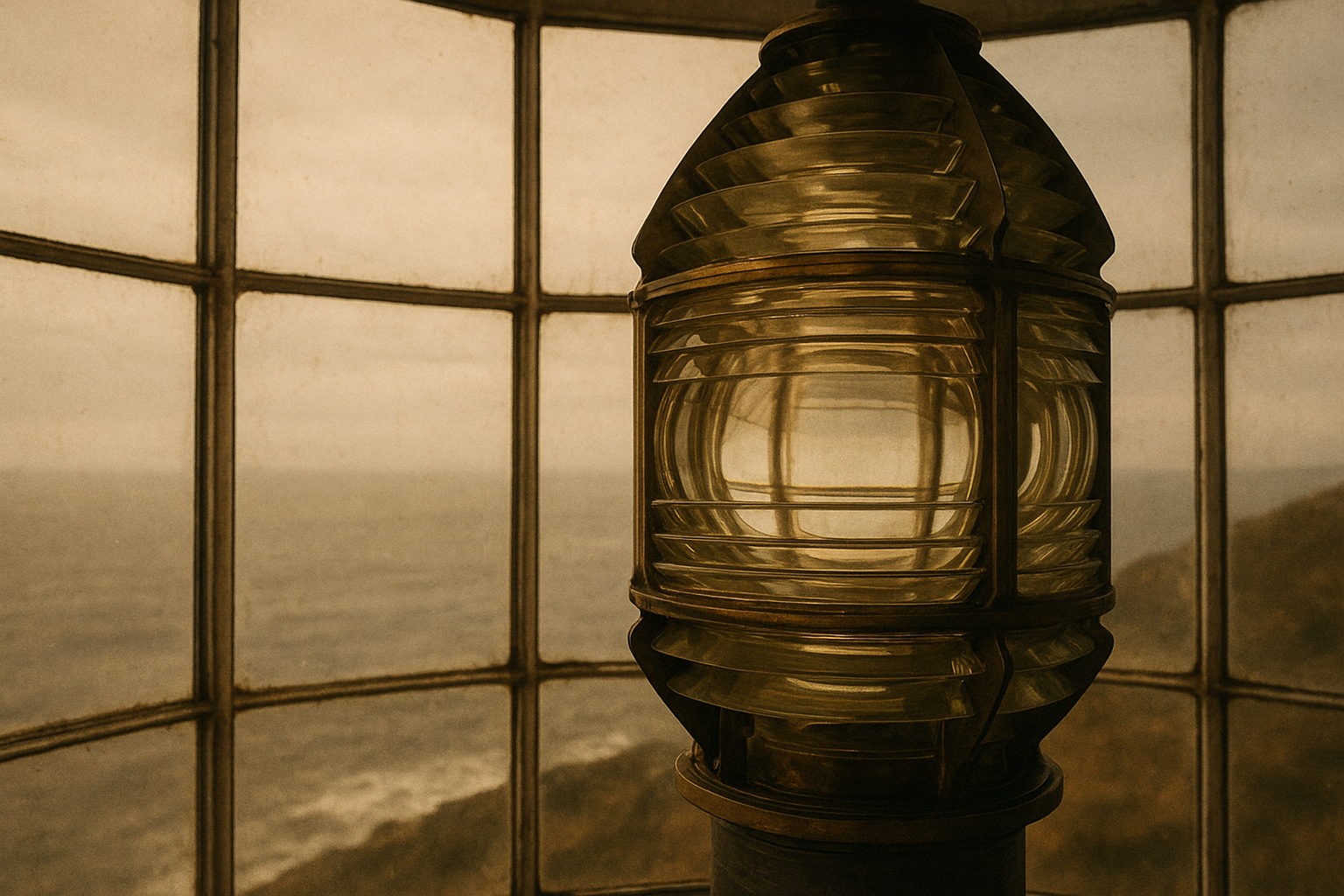
  • Inside the Lantern Room — Fresnel era, Northern headland station. Concentric glass prisms gather the lamp into a far-reaching signal.

    Inside the Lantern Room

    Fresnel era

    Northern headland station

    Concentric glass prisms gather the lamp into a far-reaching signal.
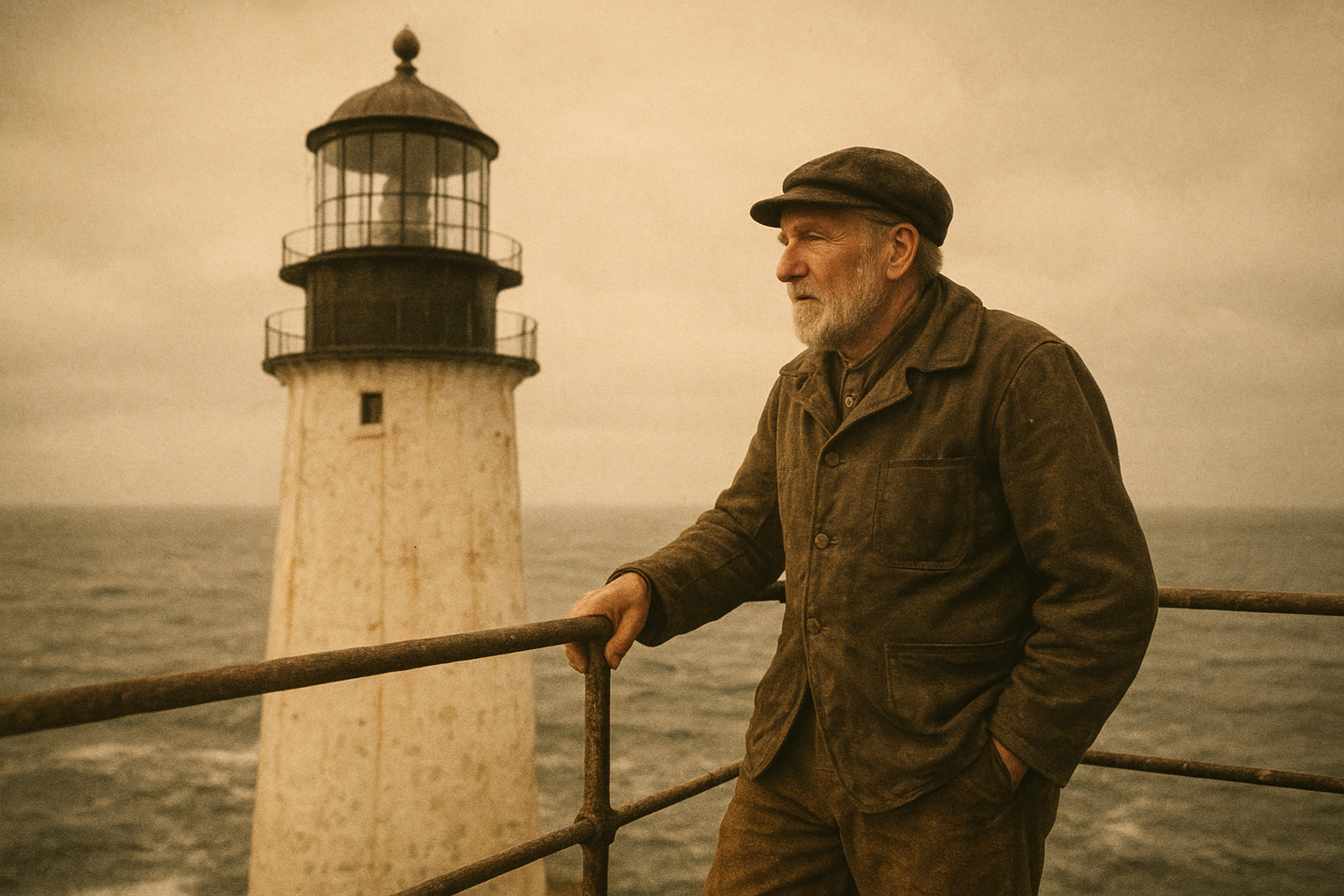
  • Keeper at the Gallery Rail — Interwar years, Windward station. A keeper pauses at the gallery after checking the evening light.
    Keeper at the Gallery Rail

    Interwar years

    Windward station

    A keeper pauses at the gallery after checking the evening light.

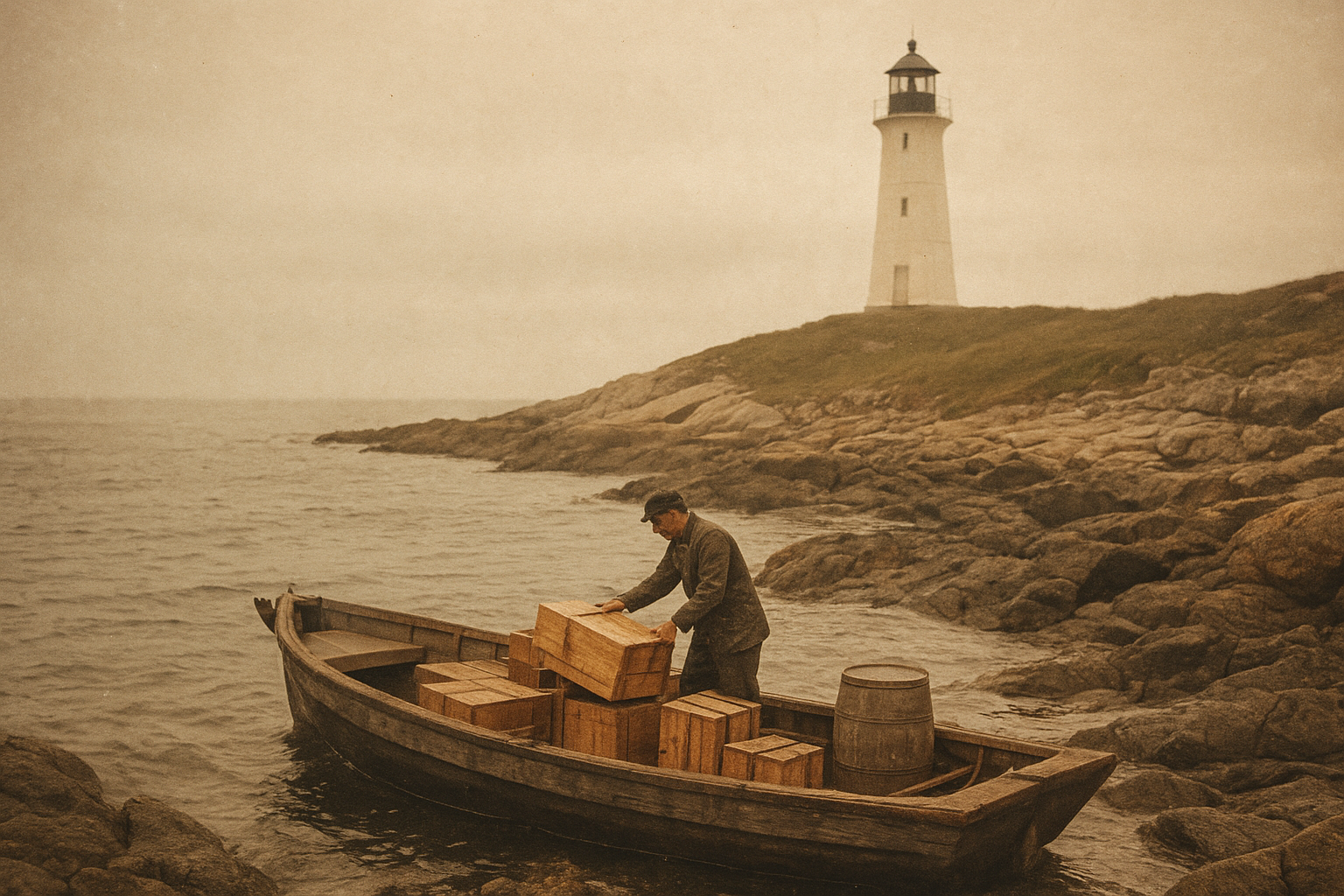
  • Supply Day — Mid-20th century, Greyhaven landing. Fuel, food, and mail arrive during a rare calm between weather systems.

    Supply Day

    Mid-20th century

    Greyhaven landing

    Fuel, food, and mail arrive during a rare calm between weather systems.
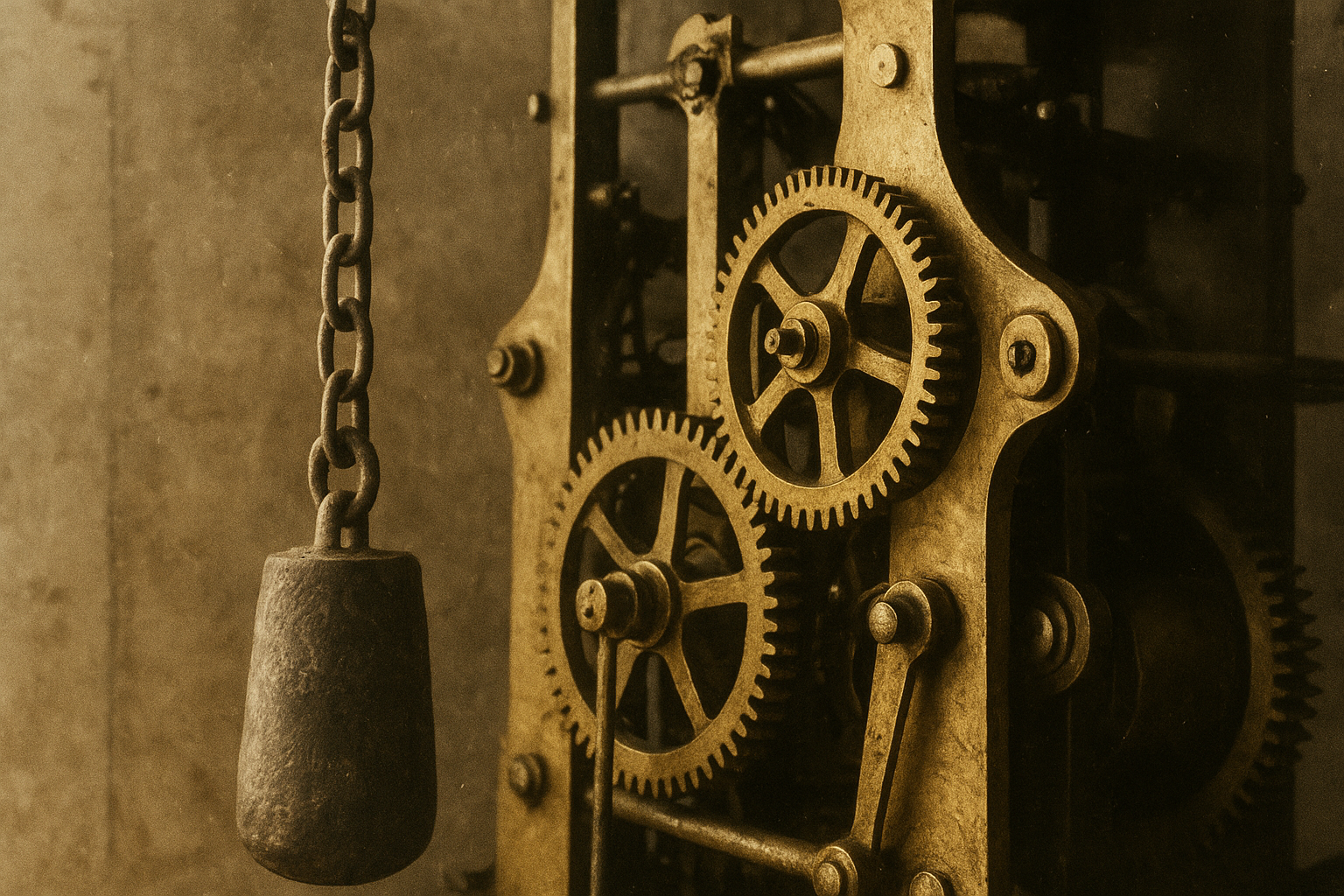
  • Clockwork and Brass — Mechanical era, Cape Rowan Light. Gears and weights regulate the turning lens before electric motors arrive.

    Clockwork and Brass

    Mechanical era

    Cape Rowan Light

    Gears and weights regulate the turning lens before electric motors arrive.
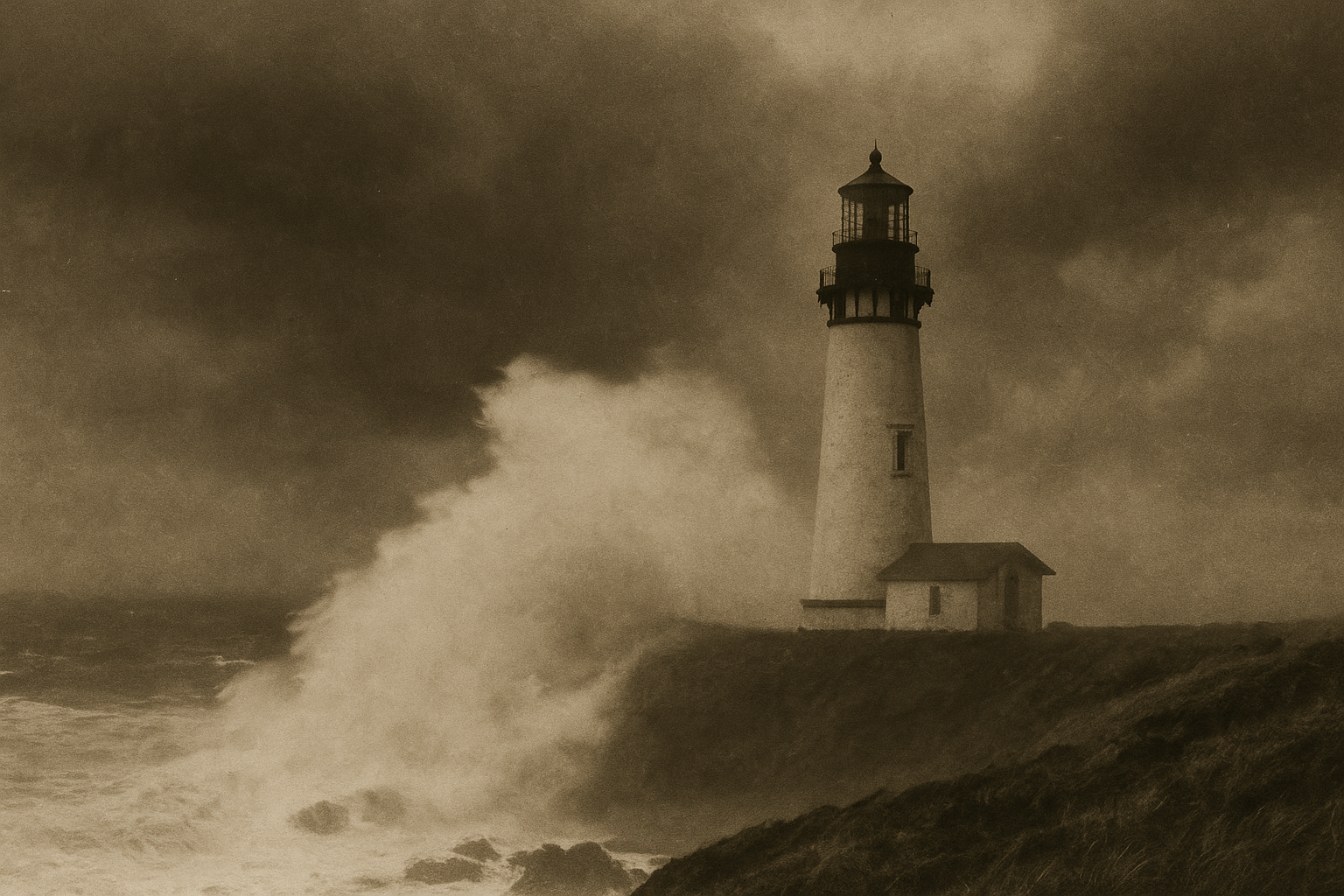
  • Storm Over the Headland — Undated archive view, North Head. Low cloud and driven spray nearly erase the tower from the horizon.

    Storm Over the Headland

    Undated archive view

    North Head

    Low cloud and driven spray nearly erase the tower from the horizon.